A first-time Tanzania safari, explained by a local operator. 12 honest tips on circuits, packing, timing, and what to expect before you...
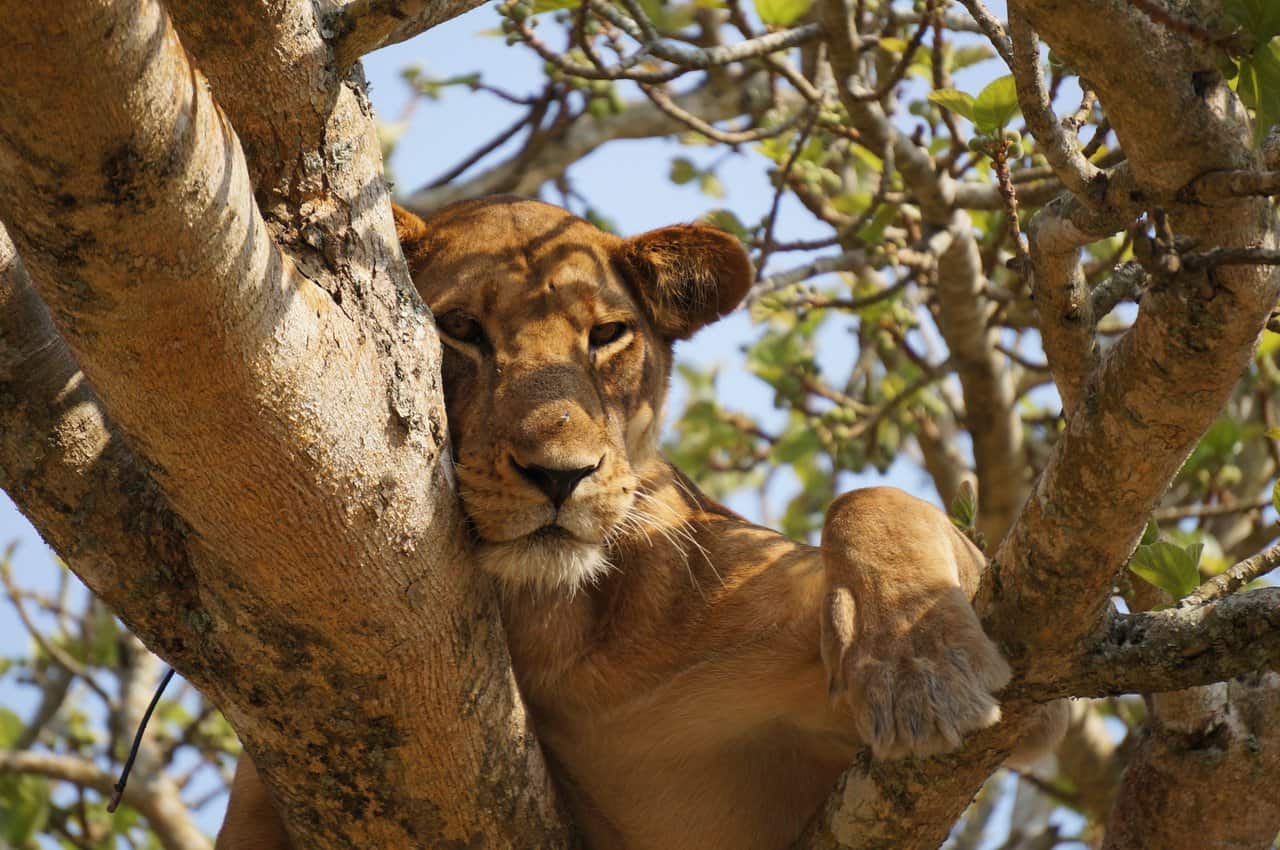
Tree-climbing lions. Up to 400 flamingos on an alkaline lake. One hour from Arusha.
Lake Manyara National Park covers 330 square kilometers along the base of the Great Rift Valley escarpment in northern Tanzania. The park is compact but holds more habitat types than parks several times its size. From north to south you move through groundwater forest, open grassland, acacia woodland, and the alkaline lake itself. Each zone has different animals.
The park is known for two things most visitors cannot find elsewhere. The first is tree-climbing lions. Lions elsewhere in Africa almost never climb trees. The prides at Lake Manyara do it regularly, resting in the horizontal branches of fig and acacia trees at eye level with safari vehicles. No one fully understands why, but the behavior has been documented here for decades. The second is flamingos. When water levels on the lake are right, tens of thousands of lesser flamingos gather along the shoreline. At peak numbers the lake edge appears pink from a distance.
Beyond those two draws, Manyara holds strong elephant herds, one of the highest concentrations of baboons in Africa, large buffalo herds, hippos in the pool near the park entrance, and over 400 recorded bird species. The groundwater forest near the gate is one of the best places in northern Tanzania to see blue monkeys, bushbuck, and forest birds in the early morning.
The park sits 126 kilometers from Arusha, about two hours by road. It is usually visited as a half-day or full-day stop on the northern circuit, combined with Tarangire or on the way to Ngorongoro. It also works well as a standalone overnight for travelers who want a quieter northern experience.
Honest note: The park is narrow. There is one circuit and most vehicles use the same tracks. It is one of the more crowded parks on the northern circuit relative to its size. Going early in the morning and spending the first two hours in the groundwater forest makes a noticeable difference.
Not every park offers every experience. Here is what is genuinely available in Lake, and where.
Morning and afternoon drives in a private 4×4, max 6 per vehicle. Your guide knows the tracks, the timing, and where the animals move.
Tanzania hosts over 1,000 recorded bird species. This destination is particularly rewarding — ask your guide to focus a morning drive entirely on birds.
Over 400 species recorded.
Two to three hours on the river at water level. Hippo pods, crocodiles, and riverine birds in one of Tanzania's most undisturbed waterways.
Arranged through lodges outside the park.
June through October is the most reliable period for game viewing. Shorter grass and reduced vegetation make animals easier to spot. Tree-climbing lions are visible year-round but dry season mornings tend to be clearest for photography. Lake water levels drop, which concentrates hippos and waterbirds in smaller areas.
November through April brings rain and the highest flamingo numbers on the lake. Migratory birds arrive from November onward and the forest is at its most active. Lake levels rise and the flamingo flocks spread along a longer section of shoreline. The wet season also brings animals from Tarangire into the park as water becomes more available across the region.
How to reach Lake Manyara National Park from the main arrival points in Tanzania.
126km west of Arusha on a paved road. About 2 hours. Usually the first or last stop on a northern circuit before or after Tarangire and Ngorongoro.
25-minute flight from Arusha Airport to Lake Manyara Airstrip inside the park. Coastal Aviation operates this route. Ground transfer to accommodation takes about 20 minutes from the airstrip.
Lake Manyara National Park is 126km west of Arusha at the base of the Rift Valley escarpment.
Northern Tanzania
The world's largest intact volcanic caldera. Over 25,000 animals on a single crater floor.
ExploreNorthern Tanzania
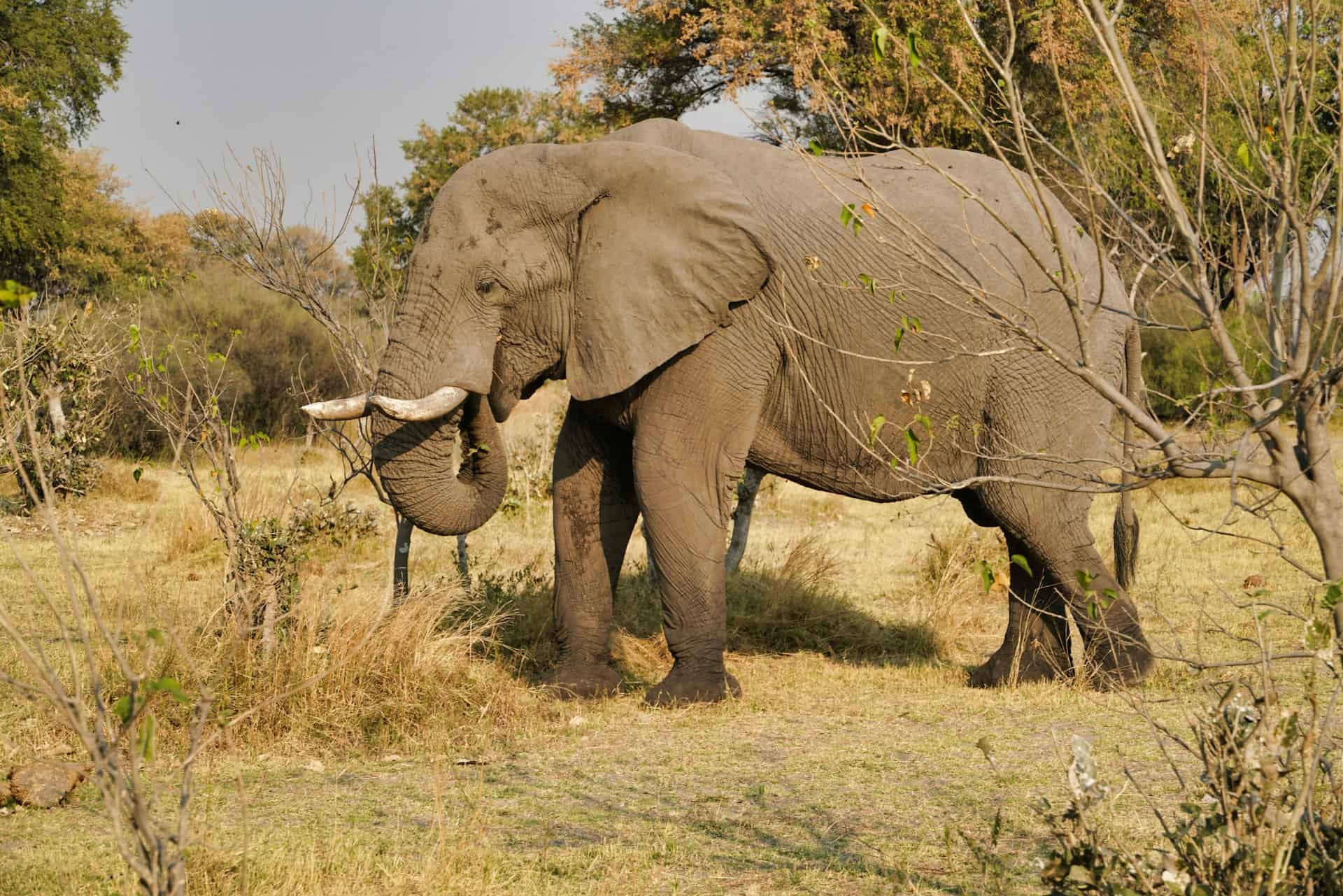
Tanzania's largest elephant herds. Ancient baobabs. Far fewer vehicles than the Serengeti.
ExploreNorthern Tanzania
Three landscapes, seven alkaline lakes, and Mount Meru. Less than an hour from the city of Arusha.
ExploreSafari travel guides written from the ground in Tanzania.
A first-time Tanzania safari, explained by a local operator. 12 honest tips on circuits, packing, timing, and what to expect before you...
Mikumi National Park guide from a local operator: wildlife, the best time to visit, costs, and how to get there from Dar...
A northern vs southern Tanzania safari compared by a local operator: cost, wildlife, and access, so you can pick the right circuit...
I’d like a 4-day▾ Day trip 2 days 4 days 7 days safari through Lake Manyara National Park in ▾ .
We reply within 24 hours — no deposit needed to get a quote