
A first-time Tanzania safari, explained by a local operator. 12 honest tips on circuits, packing, timing, and what to expect before you...
Northern Tanzania
Tarangire National Park
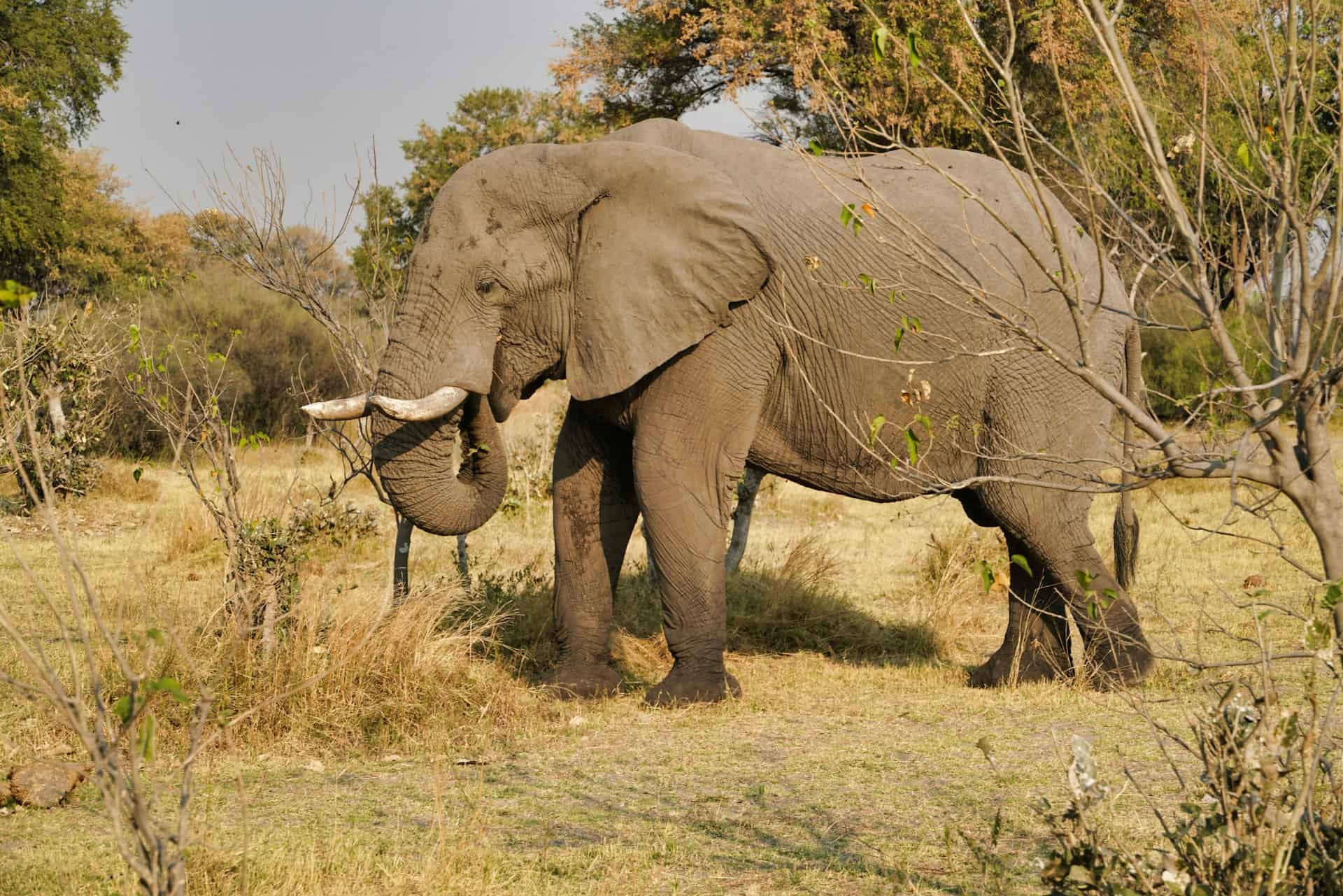
Tanzania's largest elephant herds. Ancient baobabs. Far fewer vehicles than the Serengeti.
Safari Experiences in Tarangire
Not every park offers every experience. Here is what is genuinely available in Tarangire, and where.
Classic Game Drive
Morning and afternoon drives in a private 4×4, max 6 per vehicle. Your guide knows the tracks, the timing, and where the animals move.
Best for large elephant herds in the dry season.
Walking Safari
Two to four hours on foot with an armed guide and park ranger. Slower pace, closer detail — tracks, insects, birds, and context a vehicle cannot give.
Night Game Drive
Spotlight drives after dark from private concessions adjacent to the park. Species active only at night — civets, genets, nightjars, and sometimes hunting cats.
Ask us if you want to include this in your itinerary.
Wildlife Tarangire Is Specifically Known For

African Elephant

African Lion

African Buffalo

Leopard

Masai Giraffe

Greater Kudu

Yellow-Billed Stork

African Wild Dog
More Destinations in Northern Tanzania
Northern Tanzania
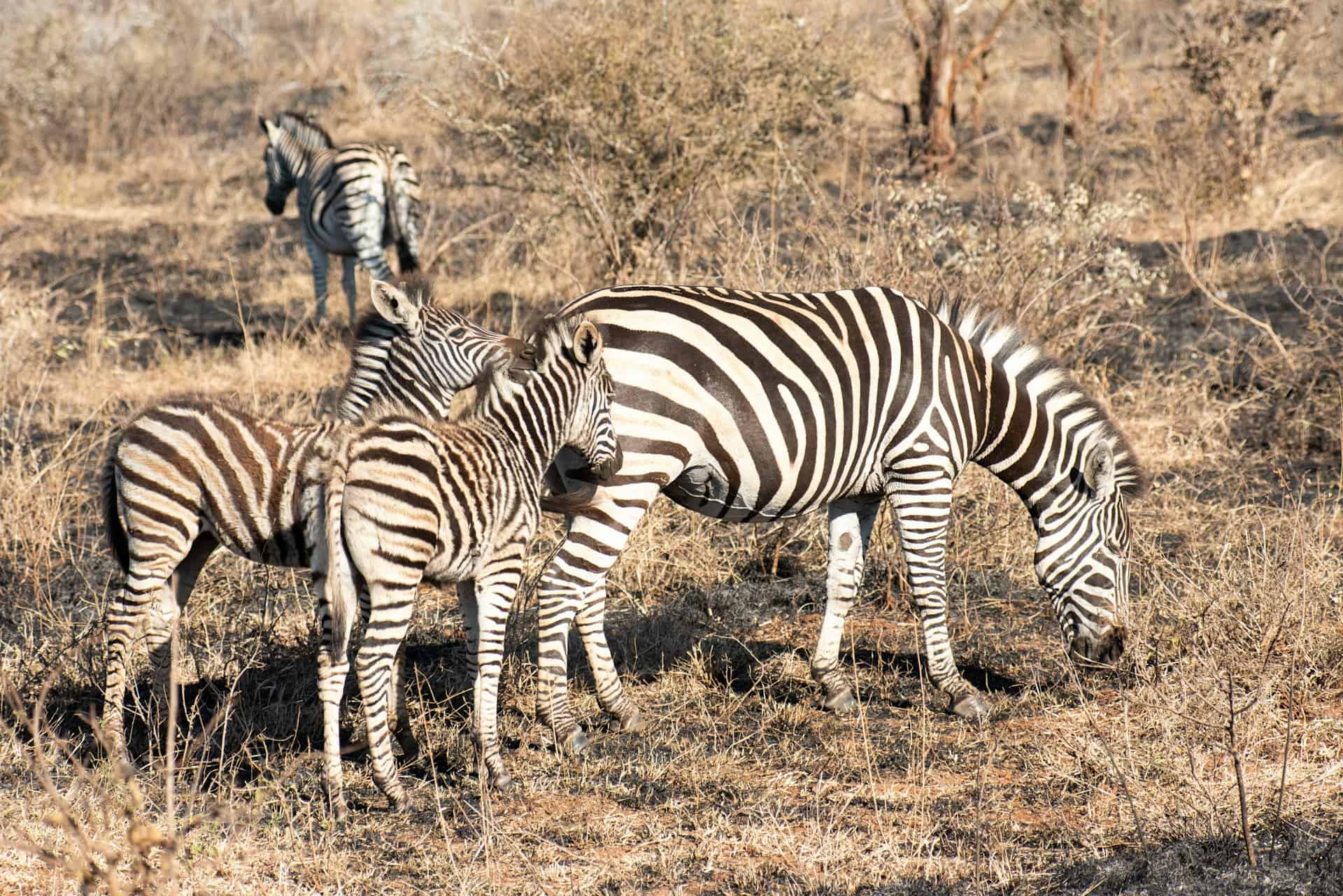
Arusha National Park
Three landscapes, seven alkaline lakes, and Mount Meru. Less than an hour from the city of Arusha.
Northern Tanzania
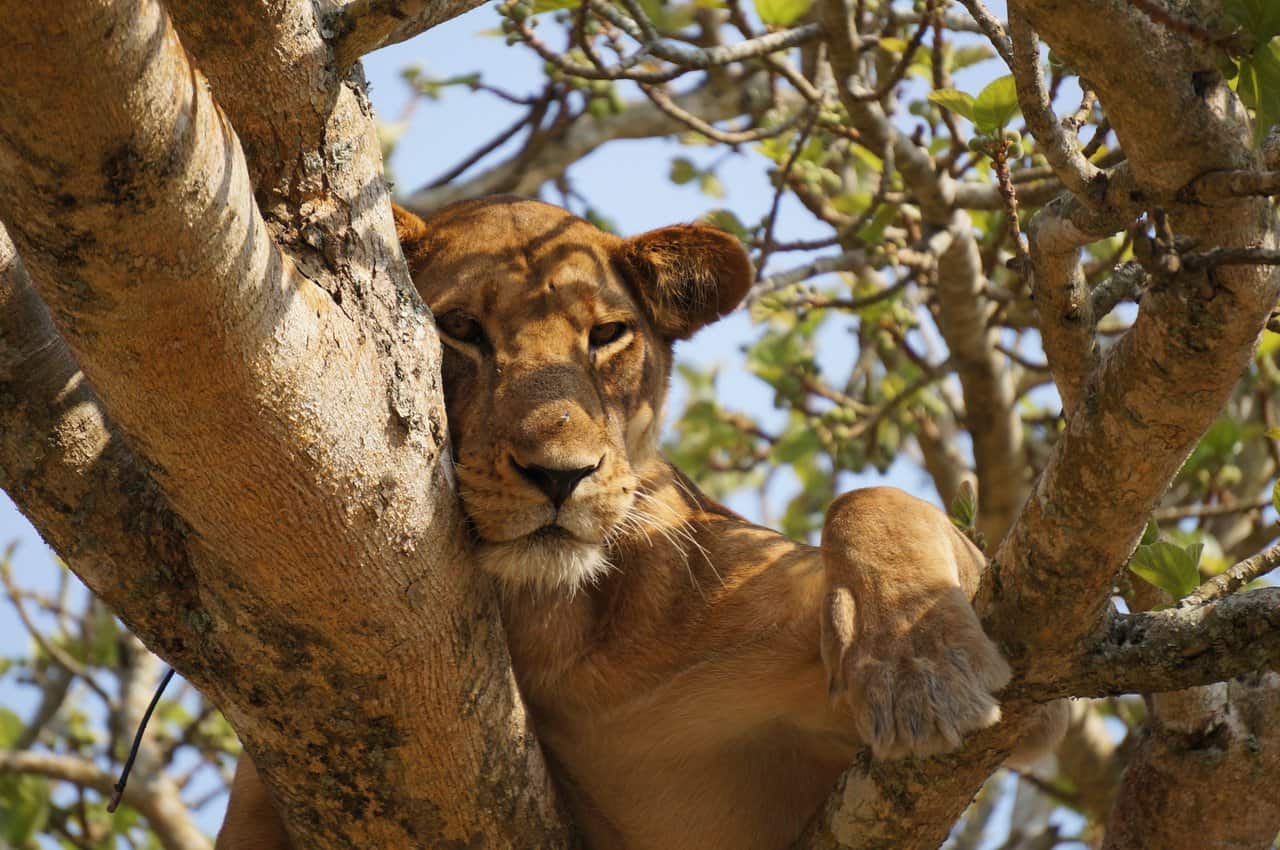
Lake Manyara National Park
Tree-climbing lions. Up to 400 flamingos on an alkaline lake. One hour from Arusha.
Northern Tanzania
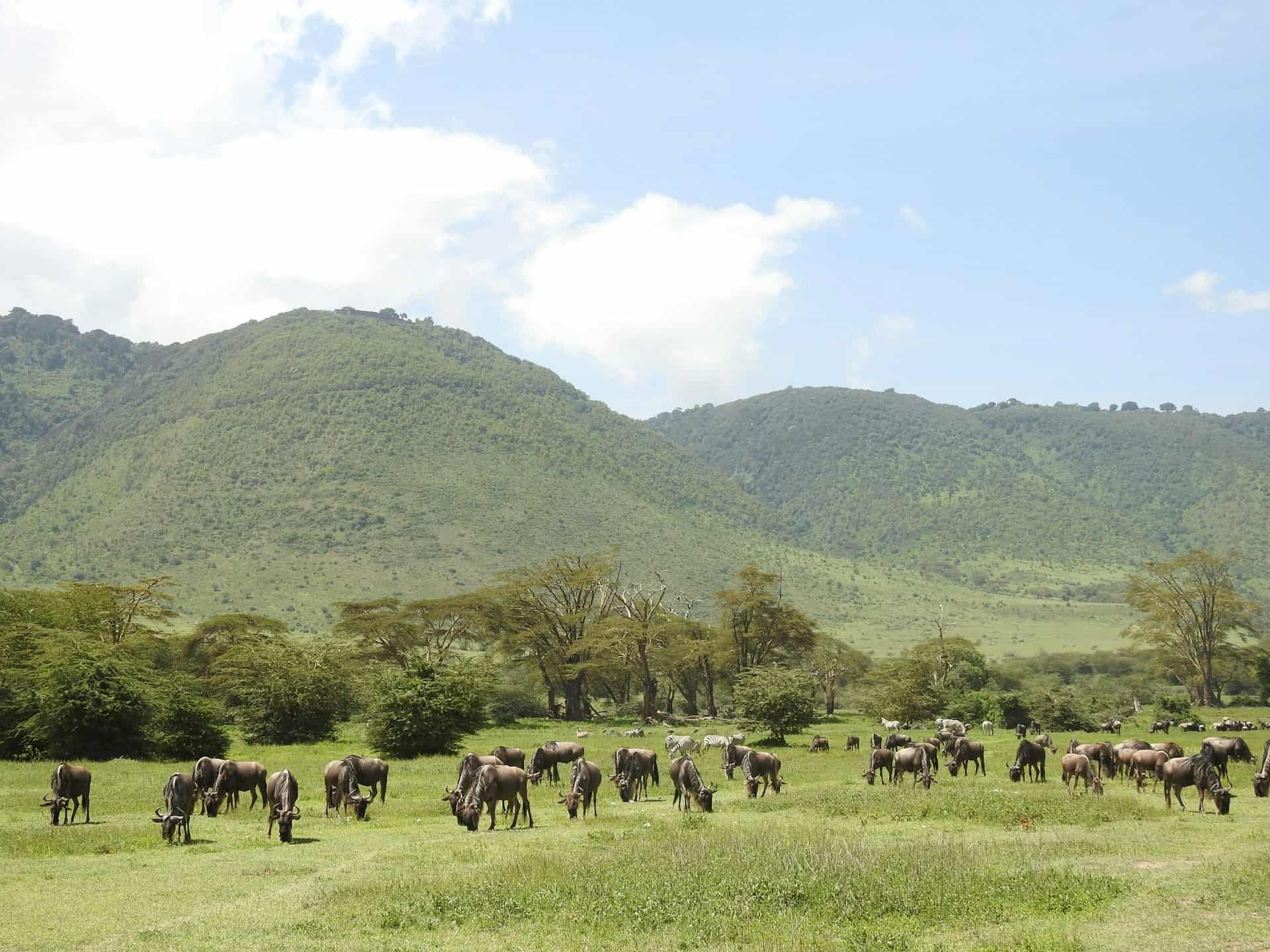
Ngorongoro Crater
The world's largest intact volcanic caldera. Over 25,000 animals on a single crater floor.
Safari Travel Guides
View All GuidesSafari travel guides written from the ground in Tanzania.

Mikumi National Park guide from a local operator: wildlife, the best time to visit, costs, and how to get there from Dar...

A northern vs southern Tanzania safari compared by a local operator: cost, wildlife, and access, so you can pick the right circuit...