Ngorongoro Crater — Tanzania safari destination
Northern Tanzania

Ngorongoro Crater

The world's largest intact volcanic caldera. Over 25,000 animals on a single crater floor.

25,000 Animals. One Crater Floor.

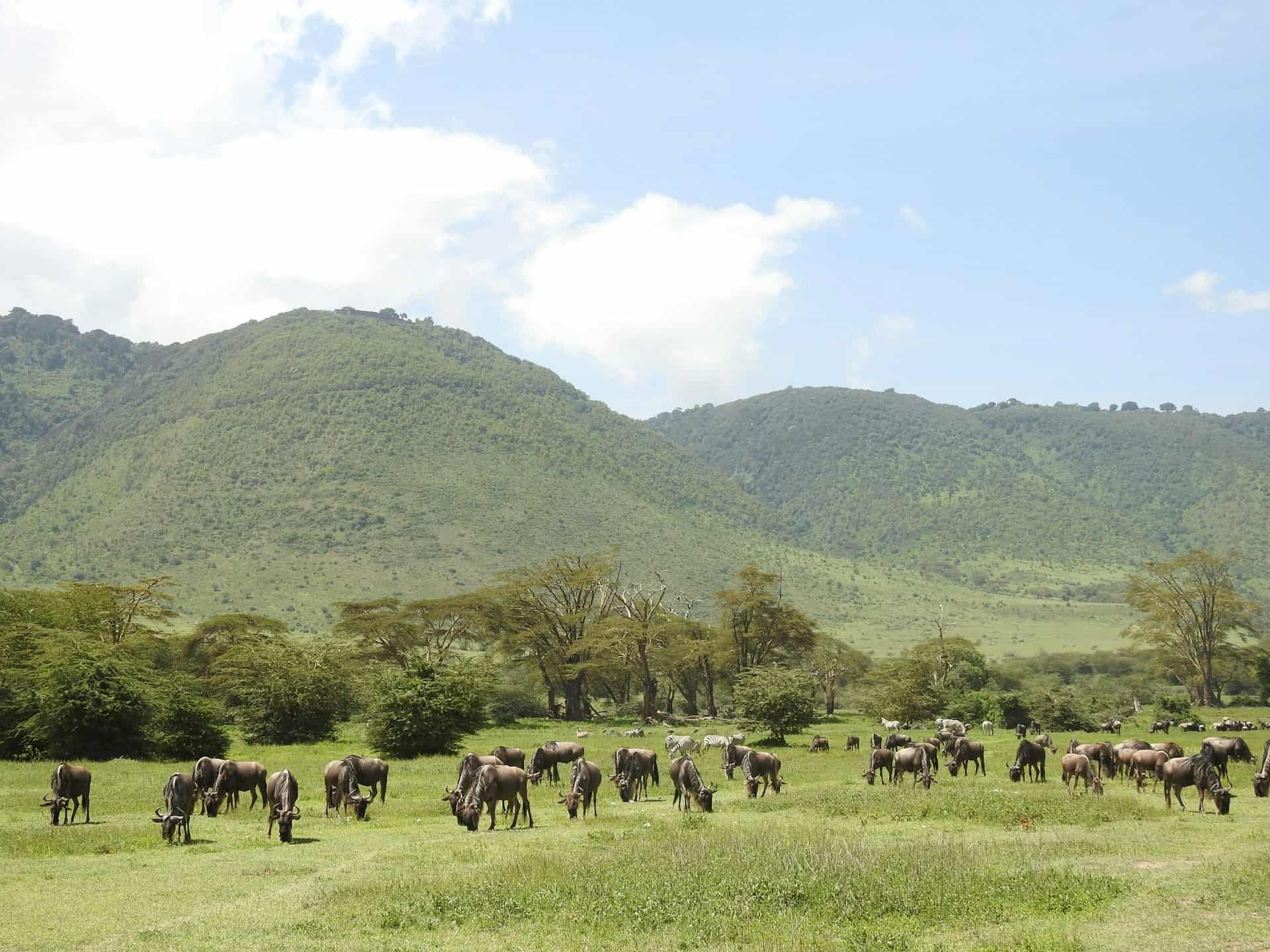
The Ngorongoro Conservation Area covers 8,292 square kilometers in northern Tanzania. At its center is the crater, a collapsed volcanic caldera stretching 16 to 19 kilometers across with a floor of 264 square kilometers. The crater walls rise 600 meters above the floor, forming a natural enclosure that keeps most wildlife permanently inside. Animals do not need to migrate out to survive. Everything they need is already there.

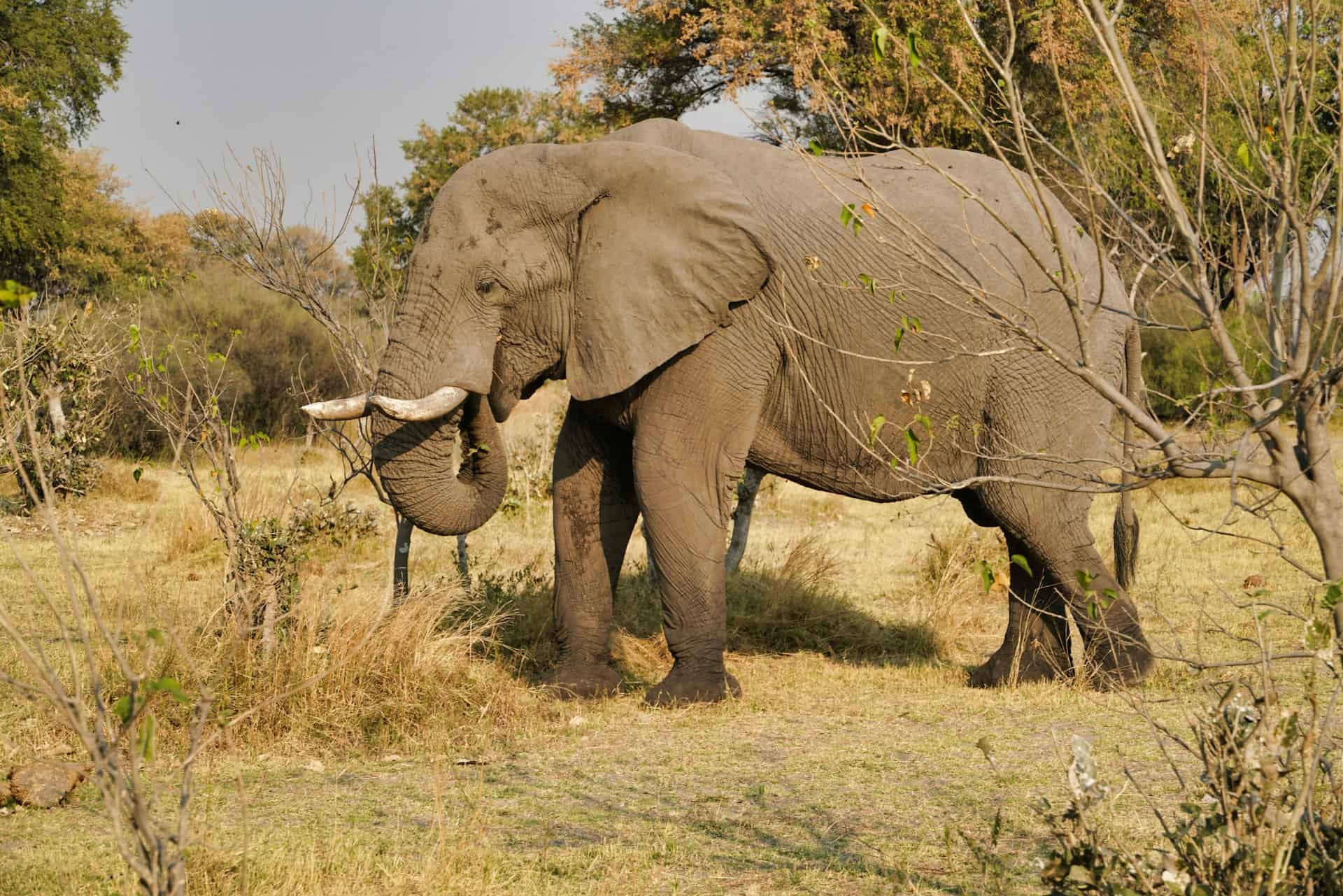
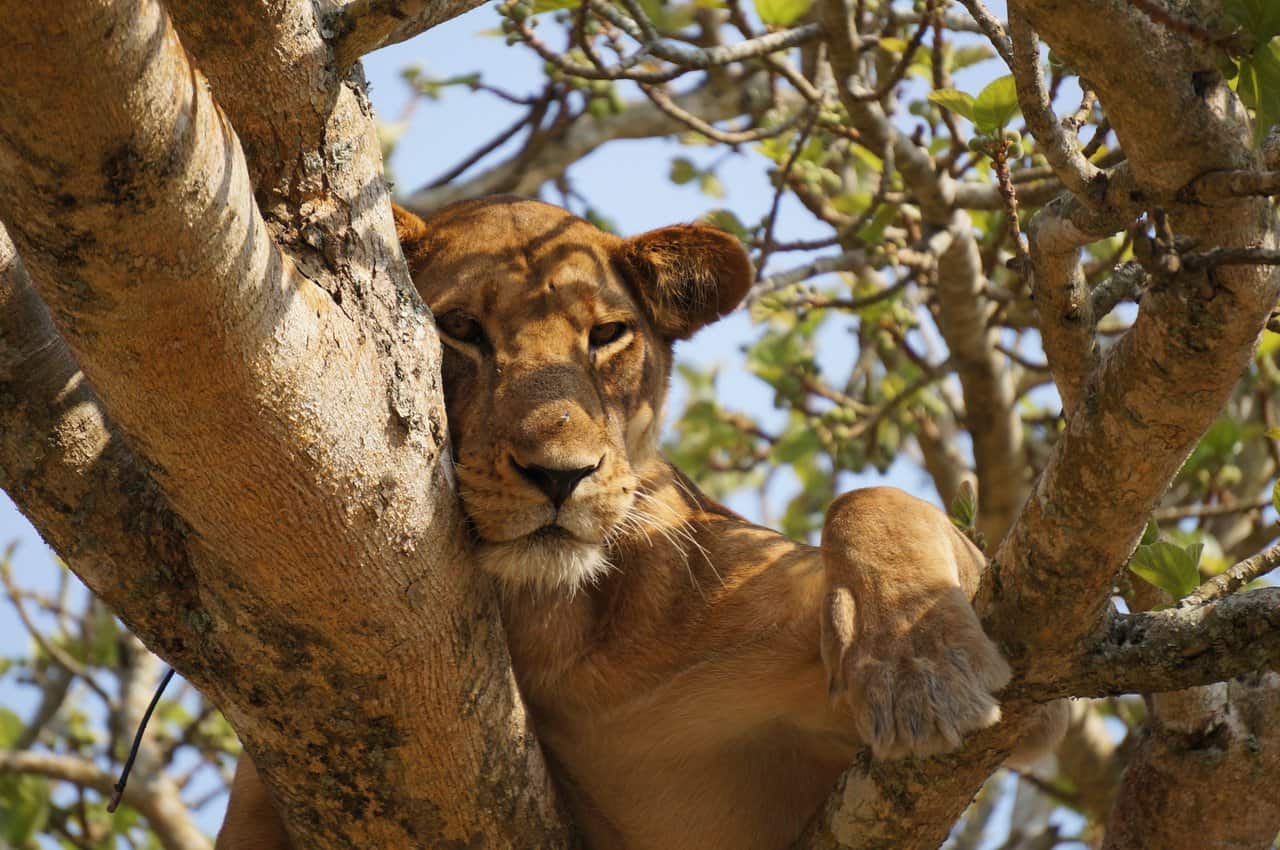
That concentration is what makes Ngorongoro different from every other park in Tanzania. Over 25,000 large animals share the crater floor at any given time. Lions are found in some of the highest densities on the continent, around 62 resident lions in a space smaller than many city suburbs. Black rhino are present, roughly 30 individuals, making this one of the very few places in Tanzania where you have a realistic chance of seeing them. Elephant bulls are common, moving between the crater floor and the forested rim. Leopards live in the trees along the rim and descend at night.

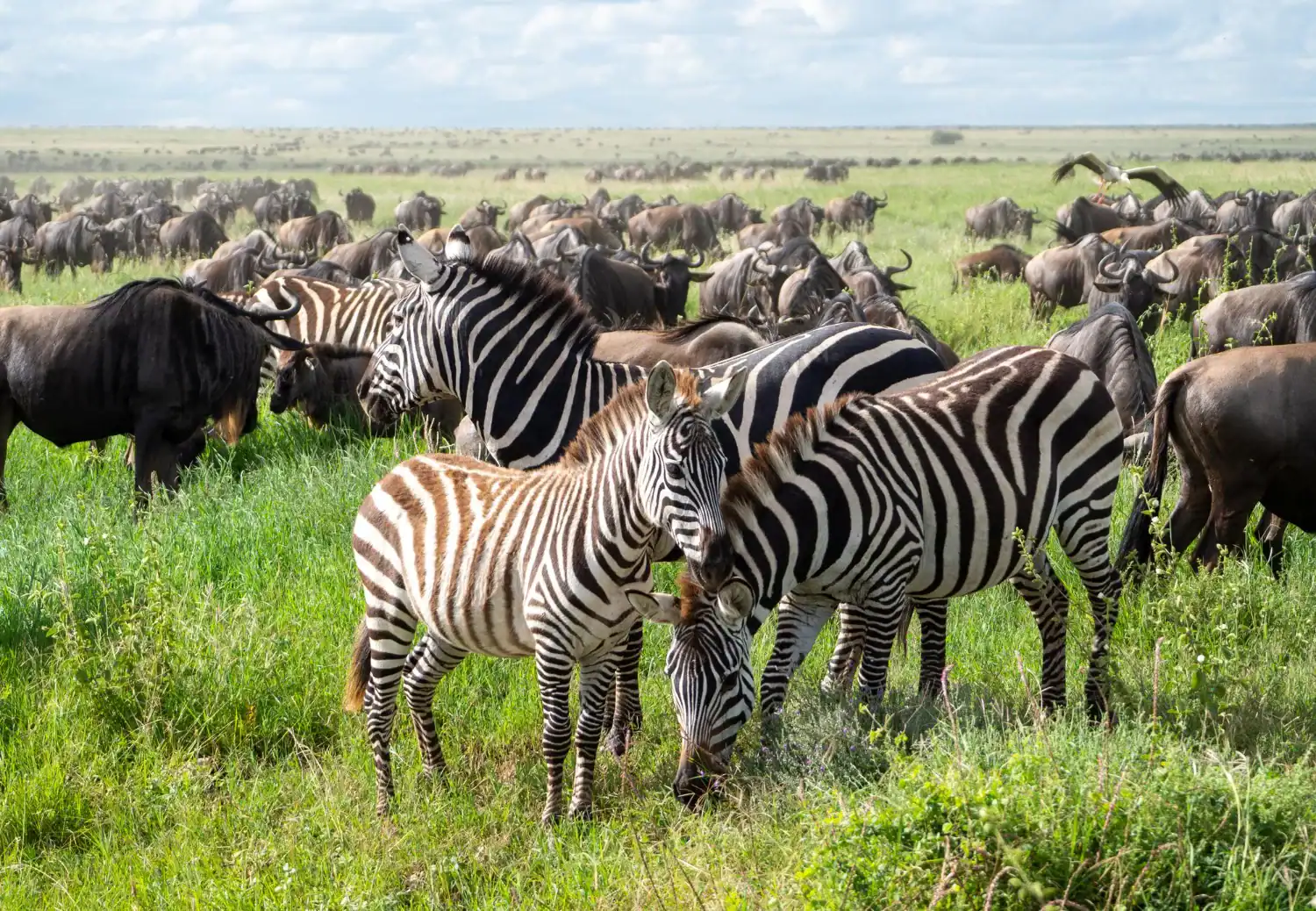
The crater floor itself is open short-grass plains broken by a shallow lake, the Lerai acacia forest, and the Gorigor Swamp. Each zone holds different animals and works best at different times of day. A full day inside the crater almost always produces sightings of lion, elephant, buffalo, hyena, zebra, wildebeest, and flamingo. Few places on the continent can match that variety in a single game drive.

Honest Note: You descend and return using assigned tracks, so you cannot go off-route inside the crater. Lodges are on the rim, not the floor. The drive down takes about 45 minutes each way. Plan to arrive early. Crater traffic increases significantly by mid-morning during peak season.

Ngorongoro at a glance

Size 8,292 km²
Established 1959
Best time June–October
Departure Arusha

Safari Experiences in Ngorongoro

Not every park offers every experience. Here is what is genuinely available in Ngorongoro, and where.

Wildlife Ngorongoro Is Specifically Known For

Black Rhinoceros

Black Rhinoceros

African Lion

African Lion

African Elephant

African Elephant

More hyenas than lions in the Serengeti. Active hunters, not just scavengers.

Spotted Hyena

Blue Wildebeest

Blue Wildebeest

Plains Zebra

Plains Zebra

Leopard

Leopard

African Buffalo

African Buffalo

Lesser Flamingo

Lesser Flamingo

Cheetah

Cheetah

Best Time to Visit Ngorongoro

June–October
June – October

Dry Season

June through October is dry, cool, and the most popular time to visit. Short grass means animals are easy to spot across the open floor. The crater is busiest from July through September. Rim lodges can fill up months in advance during this period.

November – May

Green Season

November through May brings rain and green grass. Flamingo numbers on Lake Magadi increase after the rains. Fewer vehicles on the floor. The short rains in November and December are light and usually fall in the afternoon. The long rains in March and April bring the heaviest rainfall and some rim roads become muddy.

Peak season
Avoid
Good — fewer visitors

Getting to Ngorongoro

How to reach Ngorongoro Crater from the main arrival points in Tanzania.

Arusha
Road 3.5 to 4 hours

About 189km via Karatu. Drive takes 3.5 to 4 hours through the Rift Valley escarpment and Ngorongoro highlands. Most of our packages drive this route as part of a circuit.

Arusha
Domestic flight Under 2 hours

25-minute flight from Arusha Airport to Lake Manyara Airstrip, then a 1-hour road transfer to the crater rim. Coastal Aviation and other carriers operate this route.

Ngorongoro Crater is 189km west of Arusha, inside the Ngorongoro Conservation Area.

Plan your Ngorongoro safari

I’d like a  safari through Ngorongoro Crater in .

We reply within 24 hours — no deposit needed to get a quote